Modern satellite receivers provide a wide range of functions for scanning channels, managing transponders, configuring multiple satellites, and monitoring signal quality. However, incorrect settings or outdated channel information can sometimes make these features difficult to use effectively.
Understanding receiver menus and reception parameters is therefore an important part of maintaining a reliable satellite TV system, especially when adding new channels or troubleshooting existing services.
In the world of satellite transmission, the concepts of beams and reach are among the most important factors that determine signal quality and channel intake. Understanding these two concepts helps users choose the right satellite and properly align their dish to achieve a stable and clear picture.
First: The Meaning of Beams
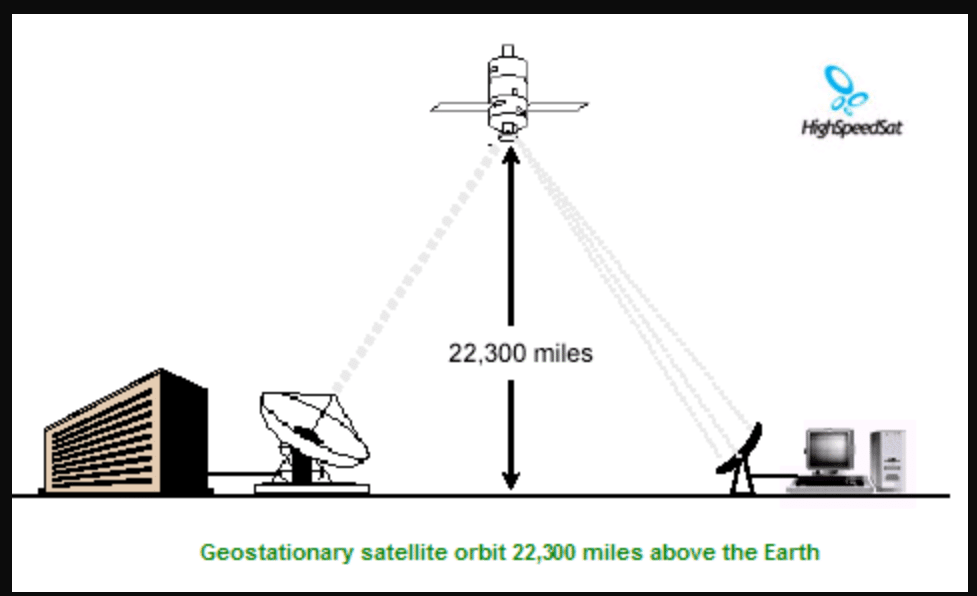
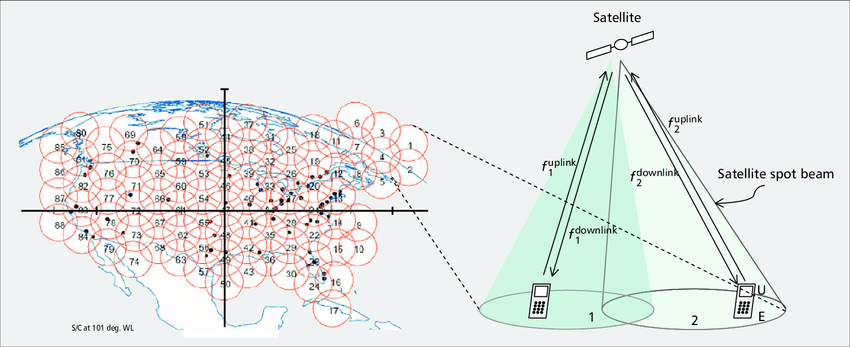
Satellite beams refer to the way a satellite transmits signals to specific areas on Earth. They can be compared to a flashlight that directs light toward a particular area instead of illuminating everything equally.
Each satellite usually has multiple beams, such as:
- A footprint covering the Middle East
- A footprint covering North Africa
- A footprint covering Europe or other areas
Each footprint varies in strength and reach area depending on its purpose.
Second: The Meaning of Coverage
Coverage refers to the geographical area where a satellite signal can be received with good quality. In other words, it is the range over which the signal is effectively transmitted on Earth.
Coverage varies from one satellite to another:
- Some satellites cover only specific countries
- Others cover entire continents
- Some beams are precisely focused on certain areas
The closer you are to the center of the reach area, the stronger and more stable the signal will be.
Third: The Relationship Between Beams and Coverage
Beams are the mechanism employed to define reach areas. Each footprint creates its own specific “reach zone.”
If the footprint is strong and focused:
- Coverage is stronger in a specific area
- Signal becomes weaker outside that area
If the footprint is wide:
- It covers a larger geographical area
- But the signal may be weaker compared to focused beams
Fourth: The Impact of Beams and Coverage on Signal Strength
Signal strength received by a satellite dish depends directly on your location within the reach area and the type of footprint employed.
If you are in the center of reach:
- The signal is very strong
- Smaller dishes can be employed
- Picture quality is stable (HD and 4K without interruption)
If you are at the edge of reach:
- Signal strength gradually weakens
- A larger dish is required
- Signal interruptions may occur, especially during bad weather
If you are outside the reach area:
- The satellite may not be received at all
- Or the signal may be extremely weak and unstable
Fifth: Why Signal Strength Differs Between Regions
There are several factors that affect signal strength within beams:
- The satellite’s design and technology
- Transmission power of the satellite
- Distance between the satellite and the region
- Natural obstacles such as mountains or buildings
- Size and accuracy of the receiving dish
Sixth: Importance of Understanding Beams and Coverage
Understanding these concepts helps users to:
- Choose the right satellite for their region
- Determine the correct dish size
- Understand why some channels are stronger or weaker
- Improve signal adjustment and installation quality
How to Perform a Manual Satellite Channel Scan
- Manual scanning allows users to enter specific frequency parameters and search for channels on a selected transponder.
- The frequency, polarization, symbol rate, and other required parameters should be entered accurately.
- This method is useful when adding a newly published frequency without scanning the entire satellite.
- A manual scan can also help restore channels after transmission parameters have changed.